


6th April 2026; 09:58 IST
The team behind RPCS3, one of the most popular PlayStation 3 emulators on PC, has shared a very important technical breakthrough that could improve performance across almost every game in the emulator.
According to the developers, one of the programmers working on the emulator uncovered new usage patterns inside the PS3's famously difficult Cell processor architecture while recreating the console's low-level behavior. That work led to a new way of generating more optimized code on PC, which means the emulator can now handle some workloads more efficiently than before.
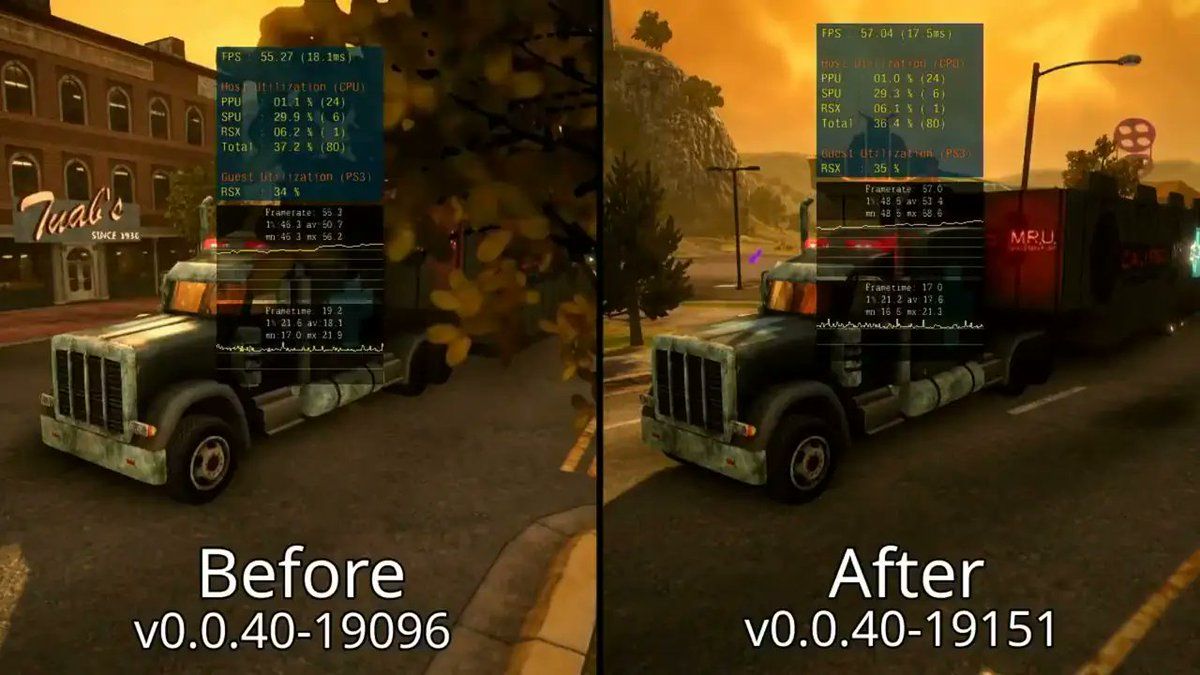
This is not the kind of update that only helps one or two specific games. The developers describe it as a more fundamental architectural improvement, which is why it could positively affect the performance of all projects running through RPCS3.
In simple terms, the emulator is getting better at translating the original PS3 hardware behavior into instructions that modern PCs can process more efficiently. For PS3 emulation, that is a big deal because the original console was built in a very unusual way compared to normal desktop hardware.
As an example, the RPCS3 team pointed to Twisted Metal, a demanding racing-action title that makes heavy use of the original console's coprocessors. In that game, the average frame rate reportedly increased by around 5 to 7 percent.
That kind of improvement may not sound massive on paper, but in emulation, even a mid-single-digit gain can be meaningful, especially in games that already push hardware hard. A smoother frame rate can make performance dips less frequent and gameplay more consistent.
What makes this update even more interesting is that it is not only helping high-end systems. The developers say the gains are also visible on very weak processors. One example mentioned was the budget Athlon 3000G, where users have already started reporting better audio rendering and a small performance improvement in Gran Turismo 5.
That is encouraging because emulator improvements often feel most dramatic on expensive hardware first. Seeing budget systems benefit as well suggests this work is genuinely meaningful at the core level rather than just squeezing out extra power from already-strong CPUs.
The RPCS3 developers also responded to a common community question about adding shader pre-compilation. According to the team, that is not realistically possible in the way many users imagine, because shader recompilation depends on knowing the exact state of the PS3's RSX graphics chip at the moment a specific shader is executed.
Instead of chasing a shortcut that does not fit the hardware, the developers plan to keep improving their interpreter-based systems for both NVIDIA and AMD graphics cards. The goal is to reduce stutter and smooth out the drops players can see during loading or heavy data transitions.
This is the kind of emulator progress that matters more than flashy screenshots or one-game patches. If the RPCS3 team has truly improved how the emulator handles the PS3's complex processor behavior, then the benefits could quietly spread across the entire library over time.
For players, that means one simple thing: more games running better, more consistently, and on a wider range of PCs. And for a system as notoriously difficult to emulate as the PlayStation 3, that is a genuinely impressive step forward.